Get in touch
Selecting the right venue shapes everything that follows. Before a single guest arrives, the setting has already made a statement about your organisation’s standards, attention to detail, and the importance you place on the occasion. Whether you are planning an awards ceremony, a gala dinner, a client hospitality evening, or a company milestone celebration, the venue is not simply a backdrop. It is an active part of the experience.
Businesses seeking a corporate event venue in Buckinghamshire are often looking for something beyond a large room and a car park. They want a setting that impresses without feeling impersonal, that offers flexibility without sacrificing character, and that reflects well on the brand being represented. This guide covers the key decisions involved in that process and explains why historic venues continue to attract organisations that want their events to be remembered.
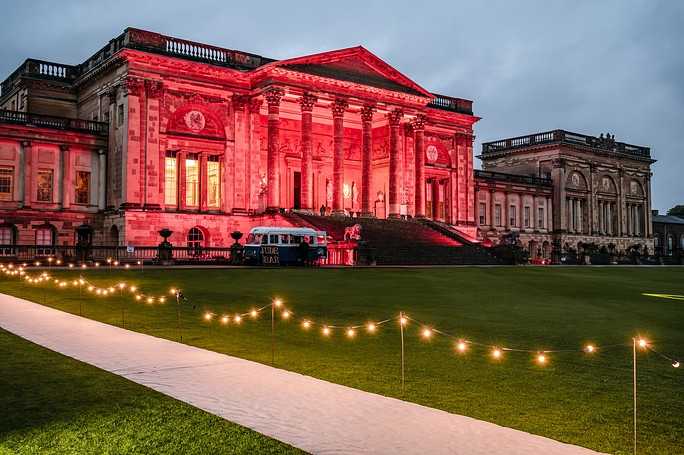
The most common mistake in corporate event planning is selecting a venue before fully defining what the event needs to achieve. An awards ceremony has different spatial and atmospheric requirements to an executive dinner for twelve. A company celebration for two hundred employees demands something quite different from a client hospitality reception. Getting this clarity early narrows the shortlist considerably and prevents the common problem of falling for a venue that is simply not suited to the event’s purpose.
Awards evenings benefit from spaces with natural grandeur, where the architecture itself conveys a sense of occasion. State rooms with high ceilings, ornate detailing, and flexible staging options create the right conditions for recognising achievement in a way that feels genuinely significant rather than routine. Corporate dinners, particularly those involving senior clients or stakeholders, are better served by rooms that feel refined and intimate rather than large. The surroundings should encourage conversation and connection, not compete with it. Company celebrations require atmosphere and flexibility in roughly equal measure, with enough adaptability in layout to serve a varied programme without the event feeling fragmented.
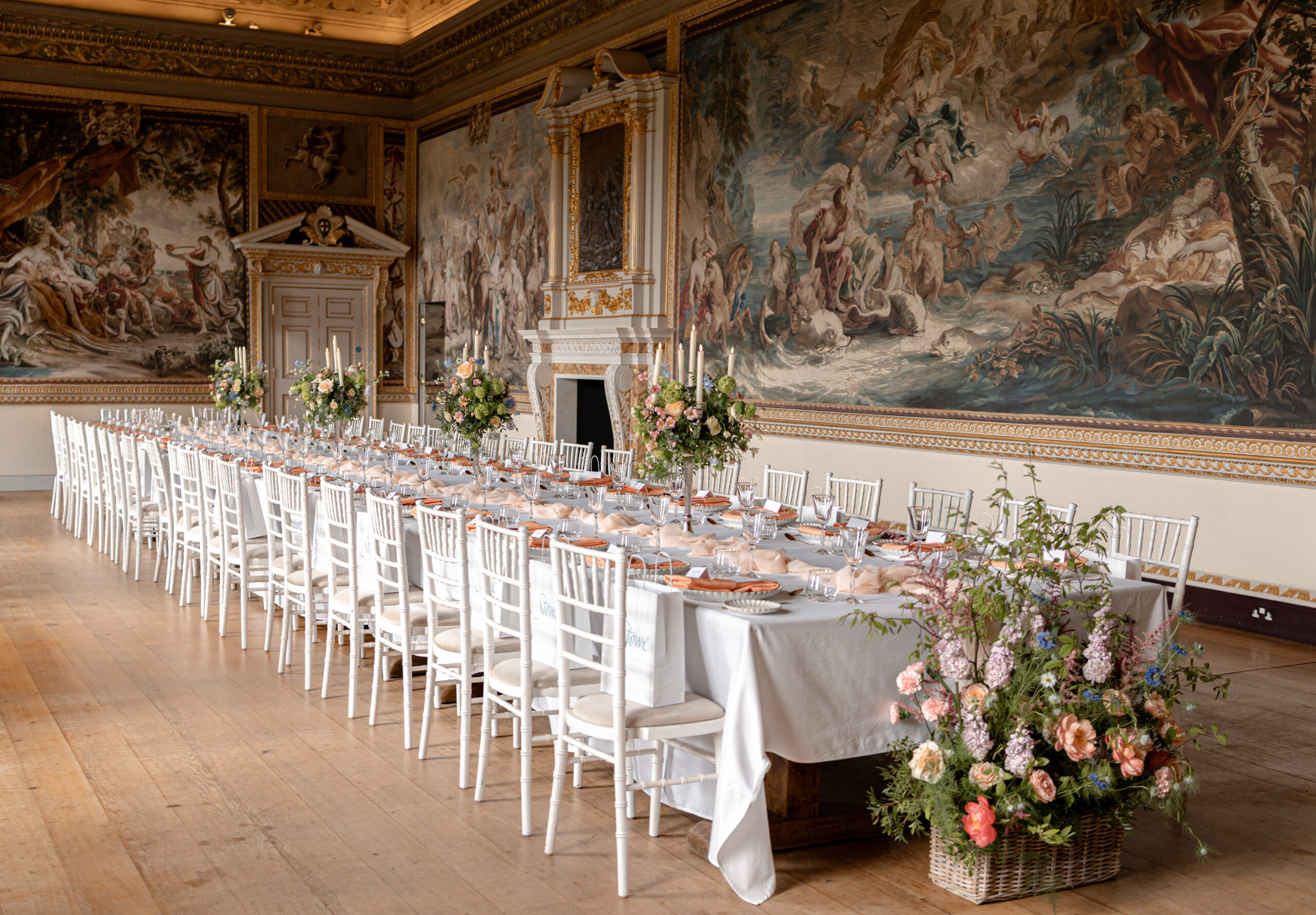
How the space actually flows matters as much as how many people it can hold. A room that is technically large enough for your guest numbers can still feel wrong if there is no natural separation between the reception area and the dining room, or if the transition from drinks to dinner requires guests to navigate a confusing layout.
Look for venues that offer multiple interconnected spaces, allowing the event to breathe and move through distinct phases. A well-designed arrival and reception area, a main room configured for dining or presentation, and access to additional breakout space for informal conversation give event planners the structure they need to deliver a coherent experience from beginning to end. Accessibility and ease of arrival matter too, particularly for larger events where guests may be coming from different starting points.
At Stowe House, the range of State Rooms allows event planners to work with the architecture of the building rather than against it. The scale of the venue accommodates everything from intimate executive gatherings to larger celebrations, and the relationship between the spaces supports a natural event flow that simply cannot be replicated in a single-room conference centre.
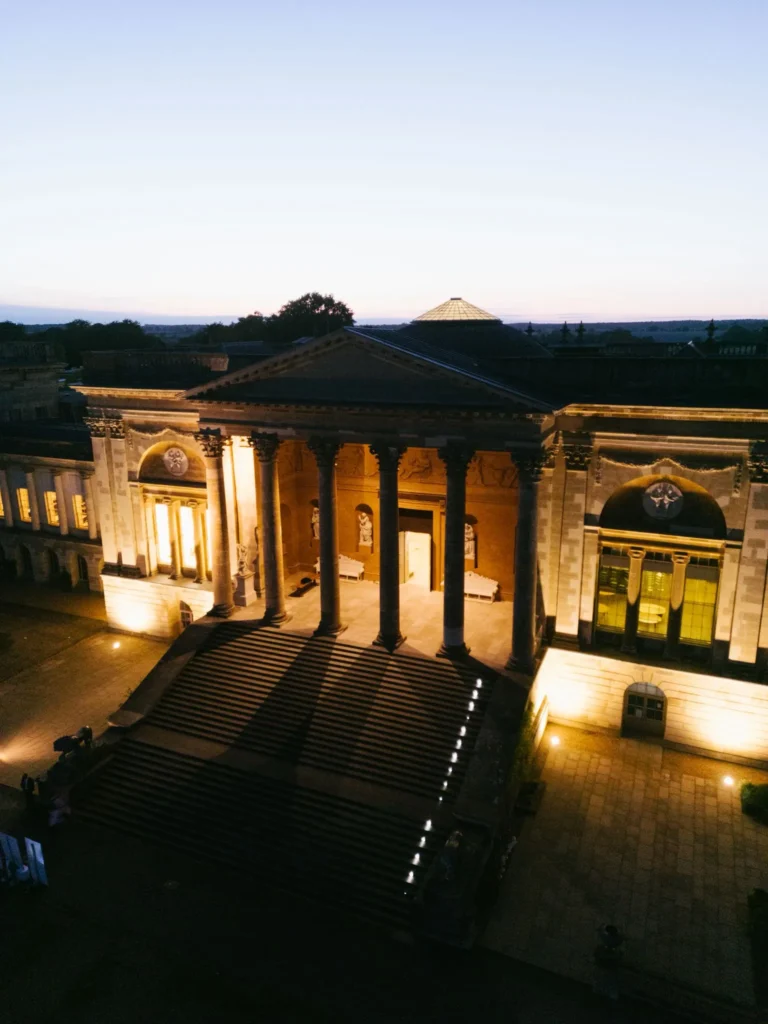
Modern conference facilities offer consistency and convenience. Historic venues offer something altogether more compelling: a sense of place that no amount of interior design can manufacture. The architectural quality of a building like Stowe House, with its grand interiors, sweeping proportions, and landscaped grounds, does the work of impressing guests before the evening has even properly begun. That immediate impact is difficult to quantify but impossible to ignore, and it reflects well on the organisation that chose the setting.
Exclusivity is a significant part of the appeal. Busy hotel event suites are used by dozens of different clients each month, and that familiarity can work against the sense of occasion a corporate event is meant to create. A historic venue, particularly one available on an exclusive-use basis, gives organisations full control over the environment and the guest experience. There is no ambient noise from adjacent conferences, no generic signage competing with your branding, and no sense that the space has been turned around quickly from the night before.
The visual quality of these environments also has practical value long after the event concludes. Photography taken in a distinguished historic setting produces imagery that supports marketing materials, social media content, and internal communications in ways that a photograph taken in a standard function room simply cannot match.
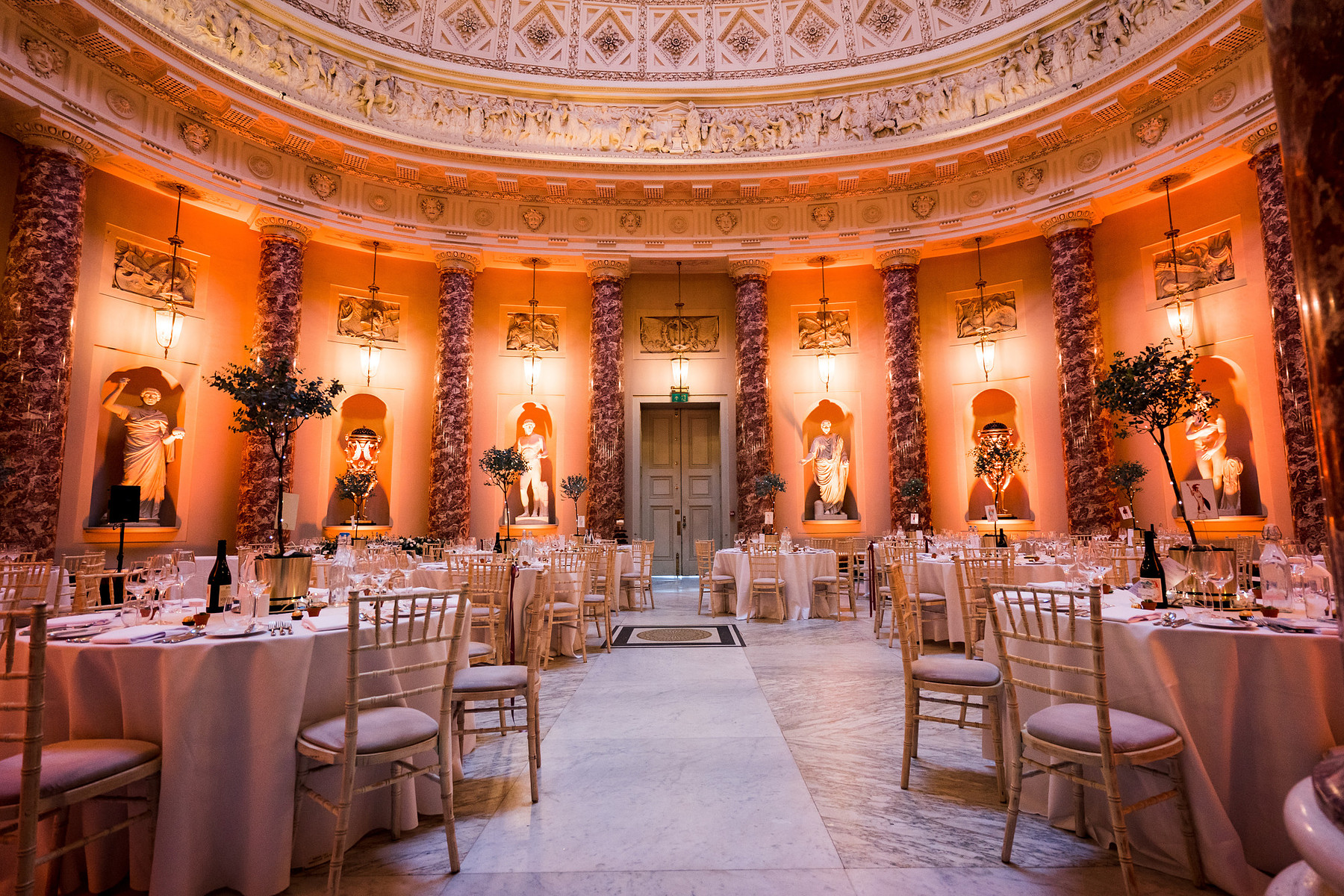
Even a magnificent venue becomes a liability if the operational support behind it is lacking. Corporate events involve significant logistical complexity, particularly when the guest list includes senior clients, executives from multiple organisations, or large numbers of employees with varied requirements. A venue that can provide experienced event coordination, clear guidance on supplier relationships, and a dedicated point of contact throughout the planning process reduces risk considerably.
When assessing a venue’s support offer, look beyond the sales conversation. Ask how the team handles last-minute changes, how they manage supplier access and setup timelines, what their approach to catering coordination involves, and who will be present on the day of the event. Experienced venue teams understand that corporate clients have demanding schedules and cannot afford for things to go wrong on the night. Their job is not simply to provide a beautiful room but to ensure the event runs without the host needing to troubleshoot.
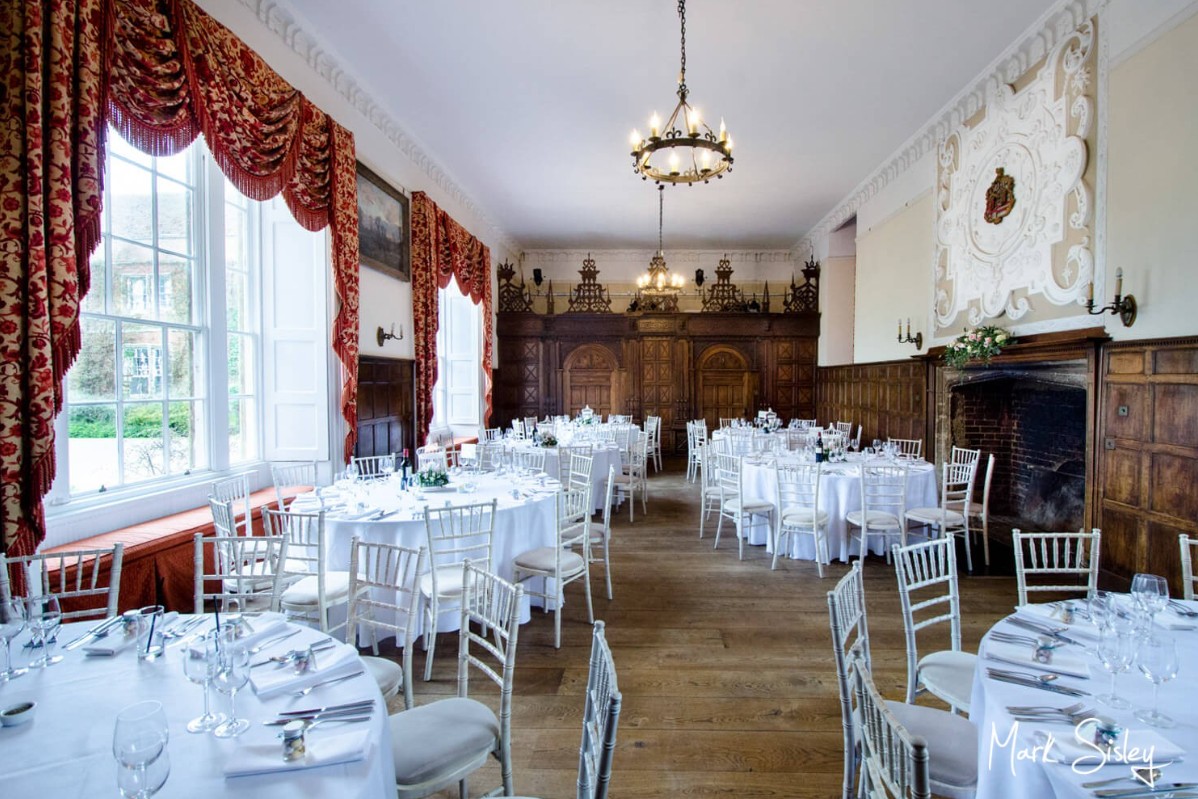
Buckinghamshire sits at an ideal intersection for corporate event purposes. It is close enough to London to draw guests from the capital without requiring an overnight stay for most attendees, yet far enough removed from the city to offer the kind of tranquil, unhurried setting that a corporate event benefits from. The county’s transport links are strong, with straightforward road access and nearby rail connections, and venues of the calibre of Stowe House offer ample parking as a matter of course.
The landscape itself contributes to the experience. Arriving at a corporate event venue set within Buckinghamshire’s countryside, rather than an urban business district, signals that this is not an ordinary gathering. For organisations that want their events to feel considered and purposeful, the choice of Buckinghamshire as a location reinforces that message before the evening has begun.
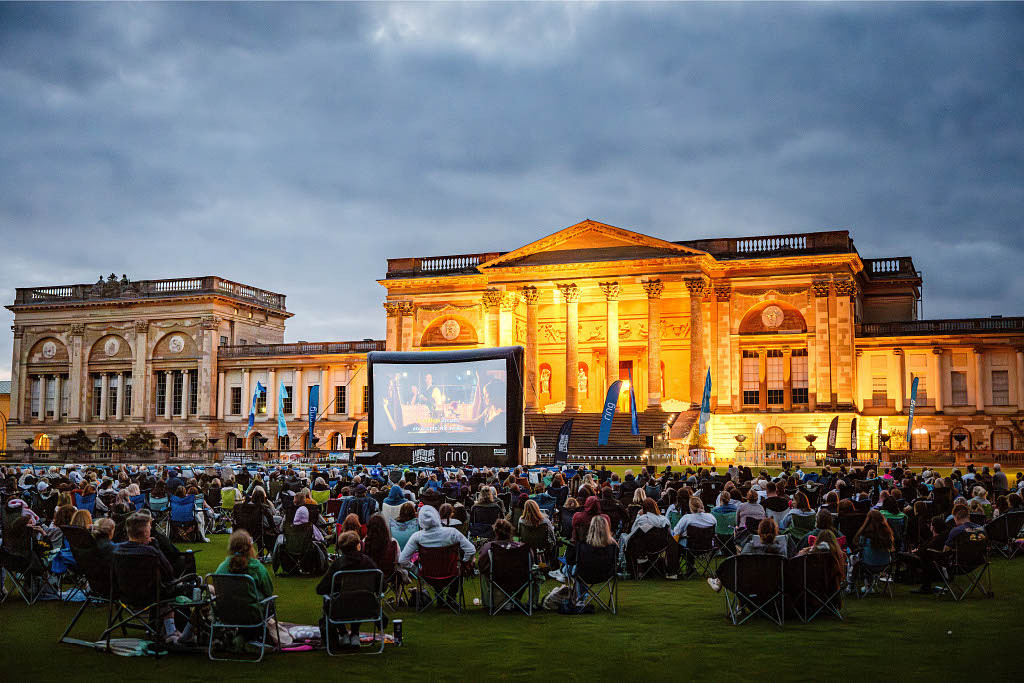
Food and service quality have a direct bearing on how guests experience and remember an event. A formal gala dinner demands more than competent catering. It requires menus that reflect the occasion, service that is attentive without being intrusive, and a hospitality team that understands the rhythm of a corporate evening. Guests who feel well looked after from the moment they arrive to the moment they leave are far more likely to leave with a positive impression of the organisation that invited them.
When assessing a venue’s catering offer, look for genuine flexibility around menu design, the ability to accommodate dietary requirements without making them an afterthought, and a clear service philosophy.
Choosing a corporate event venue in Buckinghamshire is a decision that carries weight. The right choice makes every subsequent planning decision easier and delivers a guest experience that reflects well on your organisation for a long time afterwards. The wrong choice creates avoidable problems and misses an opportunity to make a genuinely lasting impression.
Stowe House offers a setting that very few venues in the region can match: architectural grandeur, versatile State Rooms, professional event support, and the kind of exclusivity that corporate clients with high standards rightly expect. If you are in the early stages of planning a corporate dinner, awards ceremony, or company celebration and want to understand what the venue can offer, we would welcome the opportunity to show you around.
Contact Stowe Venue Hire to arrange a private viewing.
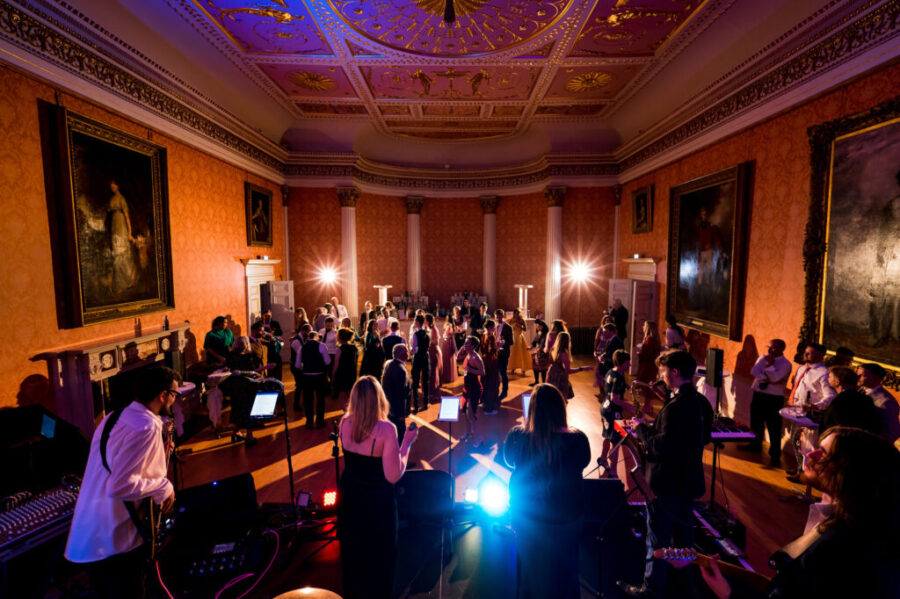
Historic venues offer something that purpose-built conference facilities cannot replicate: genuine architectural character and a sense of occasion that impresses guests from the moment they arrive. The grandeur of a building like Stowe House communicates quality and care, reflecting positively on the organisation that chose it. The exclusivity, the visual impact, and the atmosphere all contribute to a guest experience that is simply more memorable than a conventional event space can deliver.
Stowe House is well suited to awards ceremonies, gala dinners, networking receptions, executive gatherings, client hospitality events, and company milestone celebrations. The range of State Rooms and the flexibility of the venue allow event planners to tailor the layout and flow to different guest numbers and event formats, from intimate dinners for senior stakeholders to larger celebrations for several hundred guests.
For larger events or dates during busy periods, booking six to twelve months in advance is advisable. This allows sufficient time for logistical planning, supplier coordination, and menu development. Historic venues with established reputations, such as Stowe House, attract consistent demand, and preferred dates can be secured well ahead of time by organisations that plan early.
Yes. Buckinghamshire’s transport connections make it readily accessible from London and the surrounding region, with strong road links and nearby rail options. Most guests travelling from the capital can reach a Buckinghamshire venue within an hour to ninety minutes, making it practical for an evening event without requiring an overnight stay, though accommodation is available locally for those who prefer it.
The most important factors are suitability for the event type, capacity and layout flexibility, the quality of professional support available, catering standards, accessibility for guests, and the overall atmosphere the venue creates. Beyond the practical considerations, the best venues are those where the setting itself contributes to the event rather than simply containing it. That distinction is what separates a memorable corporate occasion from an ordinary one.