Get in touch
Planning a successful corporate event takes more than choosing a date and sending invitations. From selecting the right venue to coordinating suppliers, every decision affects your guests’ experience.
Whether you’re organising a conference, awards ceremony, networking event or company celebration, avoiding a few common mistakes can make planning far less stressful and help your event run smoothly.
Here are ten of the most common corporate event planning mistakes and how to avoid them.

Popular venues are often booked months in advance, especially during spring, summer and the festive season.
Booking early gives you more flexibility with dates, room layouts, catering and suppliers, while reducing last-minute pressure.
Your venue shapes your guests’ first impression and influences the success of the entire event.
Look beyond price and consider:
The right venue should reflect your organisation while providing everything needed for a seamless event.
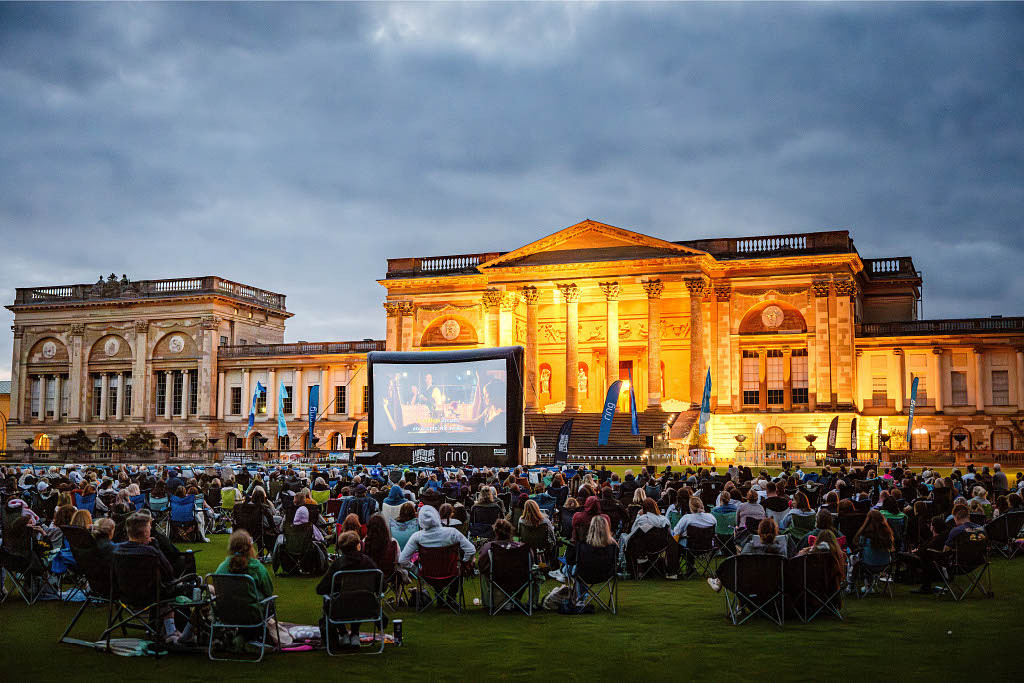
Every corporate event should have a clear purpose.
Ask yourself:
Clear objectives help guide every planning decision, from venue selection to the event schedule.
Technology is often left until the final stages of planning, which can create unnecessary problems.
Discuss your AV requirements with the venue well in advance, including presentation screens, microphones, Wi-Fi, lighting and sound systems, so everything is tested before the event begins.
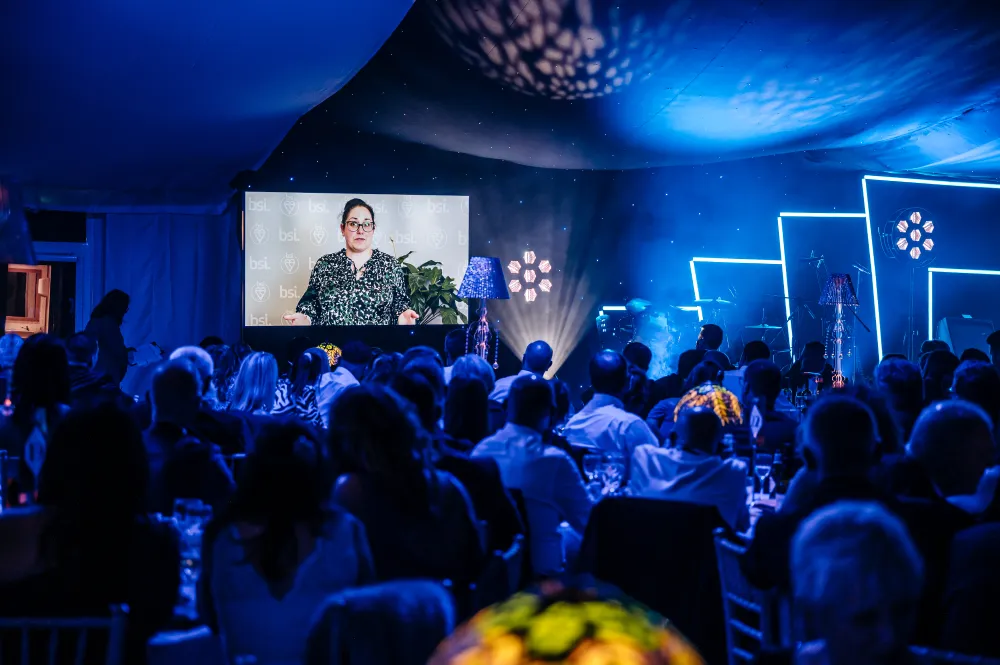
A successful event is about more than the agenda.
Think about the entire journey, including registration, refreshments, seating, networking opportunities and clear signage. Small details make a lasting impression.
Food is often one of the most memorable parts of any event.
Choose a venue that can provide high-quality catering while accommodating dietary requirements and different event formats, from working lunches to formal gala dinners.

A room that’s too large can feel empty, while one that’s too small quickly becomes uncomfortable.
Choose a venue with flexible spaces that suit both your guest numbers and the style of your event.
Most corporate events involve multiple suppliers, from caterers and AV technicians to photographers and entertainers.
Regular communication and a clear timeline help everyone work together efficiently and reduce the risk of last-minute issues.
Corporate events usually take longer to organise than expected.
Build time into your schedule for venue bookings, invitations, supplier meetings, catering confirmations, AV testing and final rehearsals. Starting early makes the entire process more manageable.
Even experienced organisers can overlook small details.
A simple checklist covering guest numbers, room layouts, catering, suppliers, signage, timings and contingency plans helps ensure nothing is missed before the event begins.
An experienced venue doesn’t simply provide a space it supports you throughout the planning process.
At Stowe House, businesses benefit from:
With an experienced team managing the practical details, you can focus on delivering a successful event for your guests.
Successful corporate event planning starts with choosing the right venue, setting clear objectives and allowing enough time to prepare.
Stowe House combines elegant historic surroundings with flexible event spaces and experienced support, making it an ideal venue for conferences, networking events, awards ceremonies and company celebrations.
Contact the Stowe Venue Hire team to arrange a private viewing and discover how we can help make your next corporate event a success.
Common mistakes include booking venues too late, overlooking technology requirements, poor supplier communication, unclear objectives and failing to consider delegate experience. Careful planning and an experienced venue help minimise these risks and ensure successful events.
The right venue influences guest experience, accessibility, event flow and overall success. It should offer suitable capacity, quality facilities, professional support and an environment that reflects your organisation’s values while accommodating your event requirements.
A corporate event checklist should cover venue booking, guest numbers, catering, audio visual equipment, supplier coordination, event timings, room layouts, delegate materials and contingency planning. Following a checklist helps ensure nothing important is overlooked.
Planning should begin several months before the event, particularly for larger conferences or awards dinners. Early planning secures preferred venues, suppliers and dates while providing flexibility to manage changes without unnecessary pressure.
Providing an accessible venue, clear communication, comfortable surroundings, quality catering and well-organised schedules creates a positive delegate experience. Historic venues also offer a memorable setting that encourages networking, engagement and meaningful business conversations.
Book Your Corporate Event Venue Early
Stowe House offers elegant State Rooms, flexible event spaces, experienced planning support and excellent accessibility in Buckinghamshire. Its historic setting provides a prestigious backdrop for conferences, meetings, awards dinners and company celebrations.